Humane Bird and Bat Deterrent Methods for Large Buildings
People searching for humane bird and bat deterrent methods for large buildings aim to prevent wildlife conflicts humanely, and local service providers can recommend and implement effective, animal-friendly solutions.
If you're a property owner dealing with bird or bat activity around large buildings, you're in the right place. Understanding humane bird and bat deterrent methods for large structures can be essential for maintaining a clean, safe, and pest-free environment without causing harm to the animals. Whether you're managing a commercial complex, industrial facility, or institutional building, finding effective and humane solutions is a practical step toward addressing these common challenges while respecting local wildlife.
Local contractors specializing in humane bird and bat deterrent methods for large buildings can provide tailored strategies that suit your property's unique needs. These professionals focus on humane techniques that discourage animals from roosting or nesting in unwanted areas, helping to prevent damage and mess while ensuring the animals are treated ethically. Keep reading to explore the options available and discover how connecting with experienced service providers can help you manage bird and bat activity responsibly and effectively.
- Bird and Bat Deterrent Installation - Large building owners seeking humane solutions to prevent bird and bat colonies often turn to local contractors who specialize in humane deterrent methods.
- Exclusion and Barrier Services - When birds or bats are roosting on large structures, local service providers can install humane barriers that prevent access while minimizing harm.
- Habitat Modification - Property managers aiming to discourage bird and bat nesting sites on large buildings may work with local pros skilled in humane habitat alteration techniques.
- Deterrent Device Placement - Businesses experiencing persistent bird or bat presence often contact local contractors for the strategic placement of humane deterrent devices on large structures.
- Building Inspection and Prevention Consulting - Large building owners seeking long-term humane bird and bat control solutions can consult with local pros to assess potential entry points and implement effective deterrents.
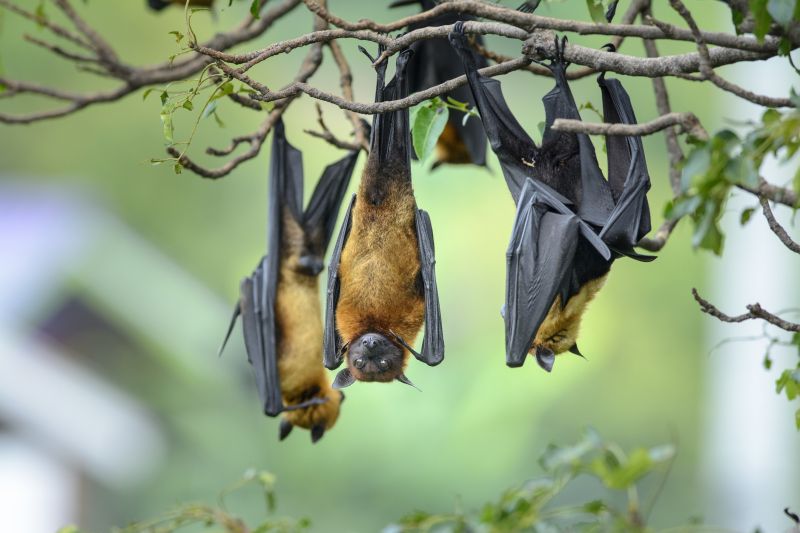
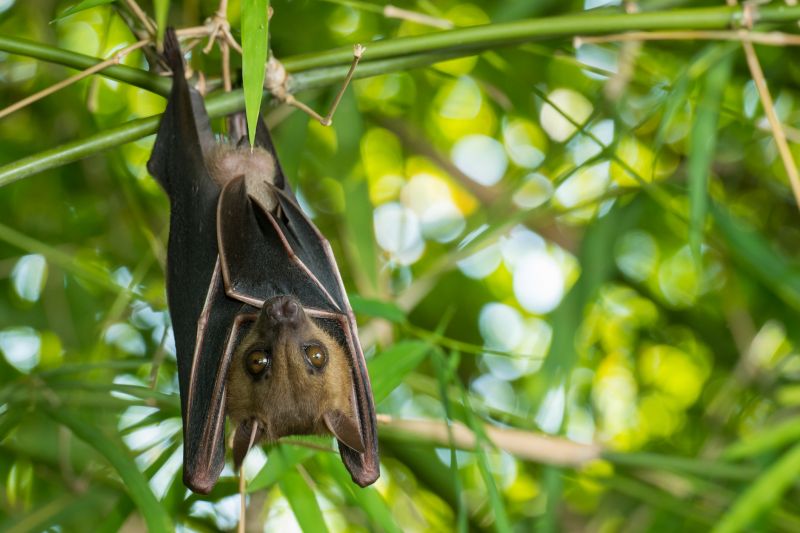
When people search for humane bird and bat deterrent methods for large buildings, they often seek solutions that prevent these animals from roosting or nesting without causing harm. This topic typically relates to concerns about birds and bats gathering on rooftops, ledges, or building facades, which can lead to property damage, health issues, or nuisance problems. Property owners might be exploring ways to protect their structures while ensuring the safety and well-being of the animals. These searches often stem from a desire to find effective, humane strategies that address specific issues like droppings, noise, or blockages, and to understand how to implement deterrent methods that are both legal and ethical.
The problems associated with large buildings and bird or bat presence often involve maintenance challenges, health risks, and aesthetic concerns. For example, accumulated droppings can corrode building materials or create slip hazards, while large colonies of bats might pose health concerns related to droppings and potential disease transmission. Many property plans include installing deterrent systems to keep animals away from critical areas, especially on rooftops, ledges, or vents. These projects require an understanding of animal behavior and the types of deterrent methods that are considered humane, non-invasive, and effective over time. Property managers and building owners often look for guidance on how to design or select deterrent solutions that align with their maintenance schedules and aesthetic preferences.
The types of properties that commonly come up in discussions about humane bird and bat deterrent methods for large buildings include commercial structures, industrial facilities, warehouses, hospitals, universities, and government buildings. These properties tend to have expansive rooftops, high ledges, or open facades that attract birds and bats. Large apartment complexes and multi-unit residential buildings can also be involved, especially when pest control or building maintenance teams seek humane ways to manage animal populations. Each property type presents unique challenges, such as access limitations or specific building features, which influence the choice of deterrent methods. Local service providers experienced in humane deterrent techniques can assess these factors and recommend tailored solutions that suit the property's needs.
For property owners and managers, understanding how humane bird and bat deterrent methods for large buildings fit into larger project plans is essential. These methods are often part of ongoing maintenance or pest management strategies aimed at reducing animal-related damage and nuisance. Local contractors who specialize in humane deterrent techniques can evaluate the specific situation-such as the type of animals involved, the building’s design, and the environment-and recommend appropriate measures. These professionals may install physical barriers like bird netting, specialized spikes, or one-way exclusion devices that allow animals to exit but prevent re-entry. By working with experienced service providers, property owners can implement humane, long-term solutions that help maintain building integrity and uphold animal welfare standards.
Bird exclusion projects involve installing physical barriers and deterrents on large buildings, utilizing similar planning and tools as humane bird and bat deterrent methods for effective wildlife management.
Building retrofit and sealing services focus on modifying existing structures to prevent wildlife entry, paralleling the techniques used in humane deterrent methods for large buildings.
Wildlife habitat modification projects aim to make areas less attractive to birds and bats, aligning with humane deterrent strategies that prioritize humane exclusion and habitat management.
Mesh and netting installation is a common approach in large building projects to prevent bird and bat access, requiring skills similar to those used in humane deterrent methods.
Raptor deterrent system setup involves installing visual or auditory deterrents that can be adapted for humane bird and bat exclusion on large structures.
Structural repair and reinforcement projects often include sealing entry points and installing deterrents, sharing planning and installation skills with humane bird and bat deterrent services for large buildings.
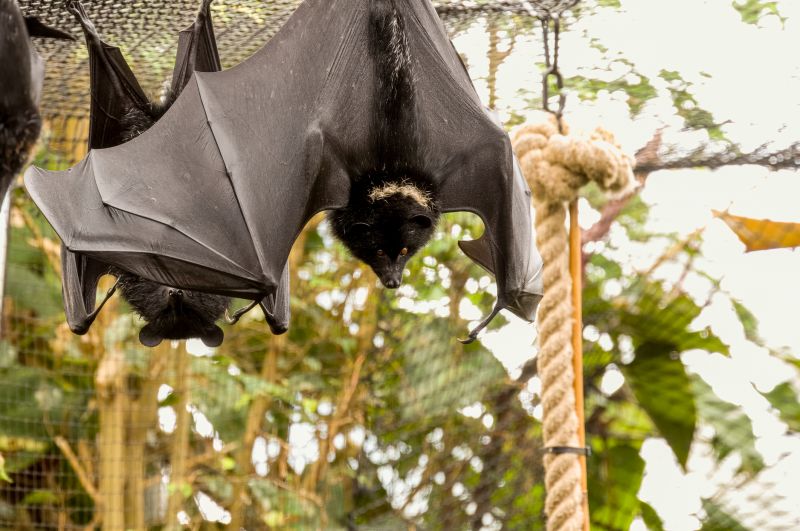
When comparing local contractors for humane bird and bat deterrent methods for large buildings, it is important to consider their experience with similar projects. An experienced service provider will have a clearer understanding of the unique challenges that large structures present and will be better equipped to recommend effective, humane solutions. Asking about their past work on comparable buildings can provide insight into their familiarity with the specific techniques and materials used in humane bird and bat deterrent methods, helping ensure the selected contractor has the relevant background for the job.
Clear written expectations are essential when evaluating potential service providers. A reputable contractor should be able to provide detailed descriptions of their approach, the methods they plan to use, and what the process will entail. This transparency helps prevent misunderstandings and ensures that the homeowner understands the scope of work. Clear communication about what to expect also allows for better comparison between different providers, making it easier to identify which one aligns best with the project’s humane and technical requirements.
Reputable references and strong communication skills are vital factors when choosing a contractor for humane bird and bat deterrent methods. References from previous clients can offer valuable insights into the contractor’s reliability, professionalism, and effectiveness in completing similar projects. Good communication throughout the process ensures that questions are answered promptly and that any concerns are addressed early. This ongoing dialogue can lead to a smoother experience and higher confidence that the chosen service provider will deliver humane, effective solutions tailored to the needs of large building projects.
Property owners often search for humane bird and bat deterrent methods for large buildings when they are planning practical projects around their homes and businesses. Local pros provide Humane Bird and Bat Deterrent Methods services for everyday jobs and straightforward project options.
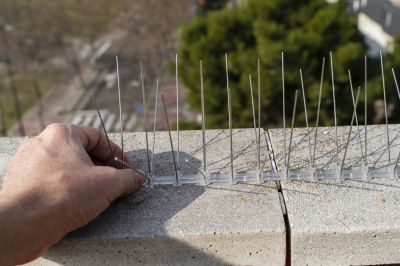
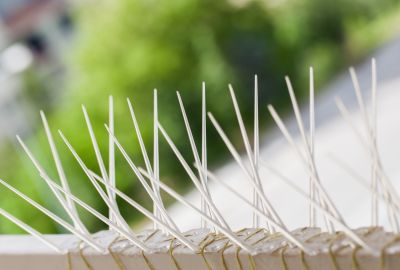
Property owners dealing with bird and bat activity around large buildings often seek humane deterrent methods to address the issue effectively. Common situations include birds nesting on rooftops or ledges, or bats roosting in eaves and attic spaces, which can lead to property damage or health concerns. Many individuals look up humane bird and bat deterrent methods to find solutions that prevent animals from settling in these areas without causing harm, ensuring compliance with local regulations and maintaining a safe environment for both residents and wildlife.
Local contractors specializing in humane bird and bat deterrent methods for large buildings offer a range of services tailored to these needs. They can assess specific problem areas and recommend appropriate, humane strategies such as installing bird spikes, netting, or exclusion devices, as well as bat-proofing techniques. Connecting with experienced service providers can help property owners implement effective solutions that protect their buildings while respecting the well-being of local wildlife.
What are humane bird and bat deterrent methods for large buildings? Humane bird and bat deterrent methods for large buildings include installing physical barriers, visual deterrents, and auditory devices that discourage roosting without causing harm.
How do local service providers implement humane bird and bat deterrent strategies? Local service providers assess building structures and wildlife activity to recommend and install humane deterrent solutions tailored to each site’s needs.
Are humane deterrent methods effective for large buildings? Yes, humane deterrent methods can be effective when properly installed and maintained, helping to prevent birds and bats from nesting or roosting on large structures.
What types of physical barriers are used in humane bird and bat deterrent methods? Physical barriers such as bird spikes, netting, and perch discouragers are commonly used to prevent birds and bats from settling on building surfaces.
Can humane bird and bat deterrent methods be customized for different building types? Yes, local contractors can customize humane deterrent solutions based on the building’s design, location, and wildlife activity to ensure effective results.
Bird and Bat Deterrent Device Installation - Installing humane deterrent devices on building exteriors can prevent birds and bats from nesting or roosting in unwanted areas, with local contractors providing practical installation services.
Exclusion Barrier Setup - Erecting physical barriers like netting or mesh along eaves and vents helps keep large birds and bats away, and local service providers can handle the setup efficiently.
Habitat Modification Strategies - Adjusting building features such as ledges or openings can discourage roosting, with local pros offering guidance on humane modifications that deter these animals.
Ongoing Deterrent Maintenance - Regular inspection and maintenance of deterrent systems ensure continued effectiveness, with local contractors providing humane solutions tailored to large building needs.
If you are thinking about humane bird and bat deterrent methods for large buildings for a property, this guide is meant to help you understand this topic, the typical project types, and how different options might fit your plans.
When you are ready, you can use the quote form on this page to share a few details about your project. From there, local pros can review the basics and follow up with options that match what you have in mind.